Receiving a breast cancer diagnosis is an extremely difficult moment that brings not only fear but also a great deal of uncertainty. The decision to undergo surgery can raise a number of questions and concerns. At our Breast Disease Treatment Center at Na Františku Hospital, we offer not only expert care but also a sensitive approach. We understand that every step along this journey is important, and we are here to provide you with all the support you need during your treatment.
If your doctor has diagnosedyou with breast cancerand you’re unsure how to proceed, or if your doctor has already recommendedsurgery to remove the tumor, you’ve come to the right place. At our center, we will provide you with comprehensive care, offering the utmost attention and expertise.
We arethe largest center for surgical treatment of breast cancer in Prague, and our medical specialists are part ofa multidisciplinary breast team that specializes in the treatment of breast cancer. This team is composed of leading specialists in oncology, surgery, plastic surgery, radiodiagnostics, and histopathology, who work together to assess and treat each patient on a completely individual basis. You can read more about our collaboration on our center’shomepage.

What We Do
At our center, we specialize in the surgical removal of breast tumors and in breast reconstruction following treatment for breast cancer.
Our center is equipped with the latest technology, and our specialists are constantly updating their knowledge of modern approaches to cancer surgery and breast reconstruction so that we can offer you the most effective treatment of the highest quality.
After surgery, additional treatment may be necessary, such as radiation therapy, chemotherapy, hormone therapy, or targeted therapy aimed at specific characteristics of cancer cells, depending on the specific type of breast cancer and its stage. This treatment is no longer provided at Na Františku Hospital, but at the Oncology Clinic of the General University Hospital in Prague, where patients go for this therapy.
A comprehensive treatment plan is always developed by a multidisciplinary team on an individual basis for each patient.
What Are Malignant Breast Tumors?
Malignant breast tumors, often referred to as breast cancer, are a condition in which cells begin to multiply uncontrollably in the breast tissue. This uncontrolled cell growth can lead to the formation of a mass or "lump" in the breast that differs from the normal structures of breast tissue.
Breast cancer can be invasive or non-invasive. Non-invasive cancer means that the tumor remains in its original location and has not spread to surrounding tissues. Invasive breast cancer has spread from its original location to surrounding breast tissue and potentially to other parts of the body via the bloodstream or the lymphatic system.
How the procedure is performed
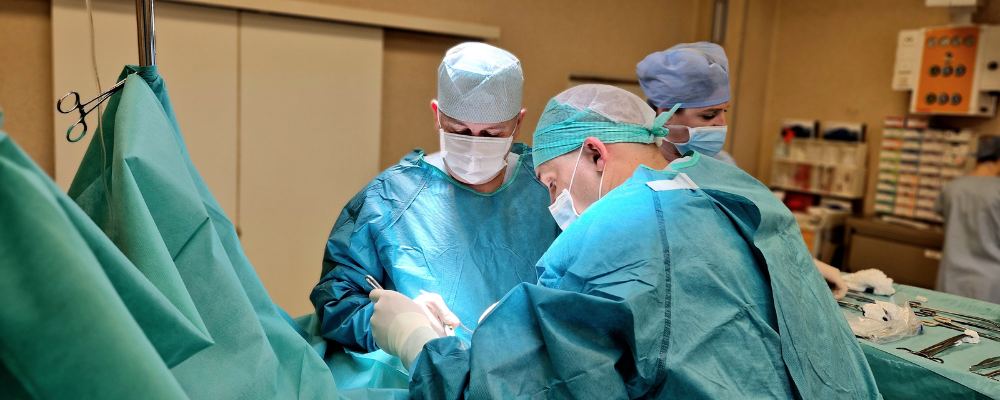
Breast cancer surgery is a surgical procedure aimed at removing the cancerous tumor and, in many cases, some of the surrounding tissue or lymph nodes to prevent the cancer from spreading. The surgical approach depends on several factors, including the size and location of the tumor, the type of breast cancer, and the patient’s overall health. We perform the following procedures:
Partial mastectomy (also known as breast-conserving surgery)
In this type of surgery, the surgeon removes only the tumor and a small amount of unaffected surrounding tissue to ensure that all cancer cells have been removed. The goal is to preserve as much breast tissue as possible. A partial mastectomy is usually followed by radiation therapy to minimize the risk of the cancer returning. However, an individualized treatment plan is determined for each of our patients by a multidisciplinary team.
Mastectomy
During a mastectomy, the surgeon removes the entire breast. There are several types of mastectomy, including a unilateral mastectomy (removal of one breast) and a bilateral mastectomy (removal of both breasts). The extent of the surgery depends on the stage and extent of the cancer and on the decision of a multidisciplinary team, which takes all relevant factors into account.
Sentinel lymph node biopsy
This procedure involves the removal of sentinel lymph nodes, which are the first nodes to which cancer might spread from the breast. The procedure is performed in conjunction with the removal of the tumor. Before surgery, patients are referred to our partner facility to have the sentinel lymph nodes markedwith an isotope. If these nodes do not contain cancer cells, it is usually not necessary to remove additional nodes.
Axillary lymphadenectomy
If cancer cells are found in the sentinel lymph nodes, it may be necessary to remove additional lymph nodes in the armpit to prevent the cancer from spreading further.
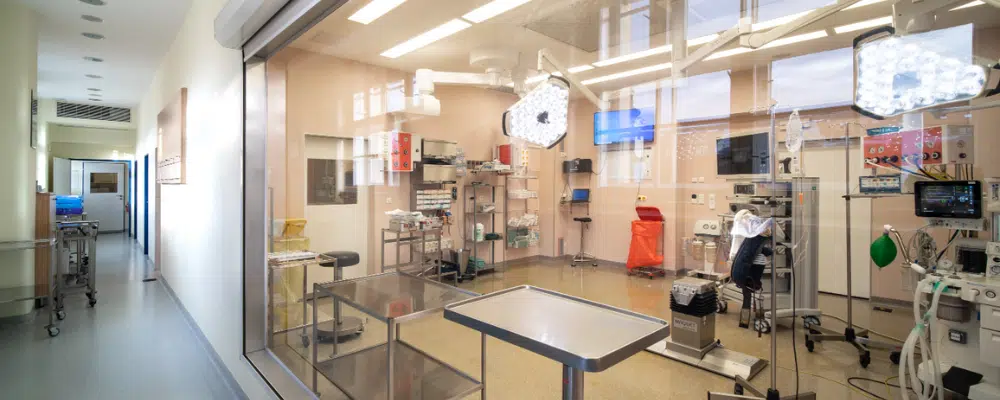
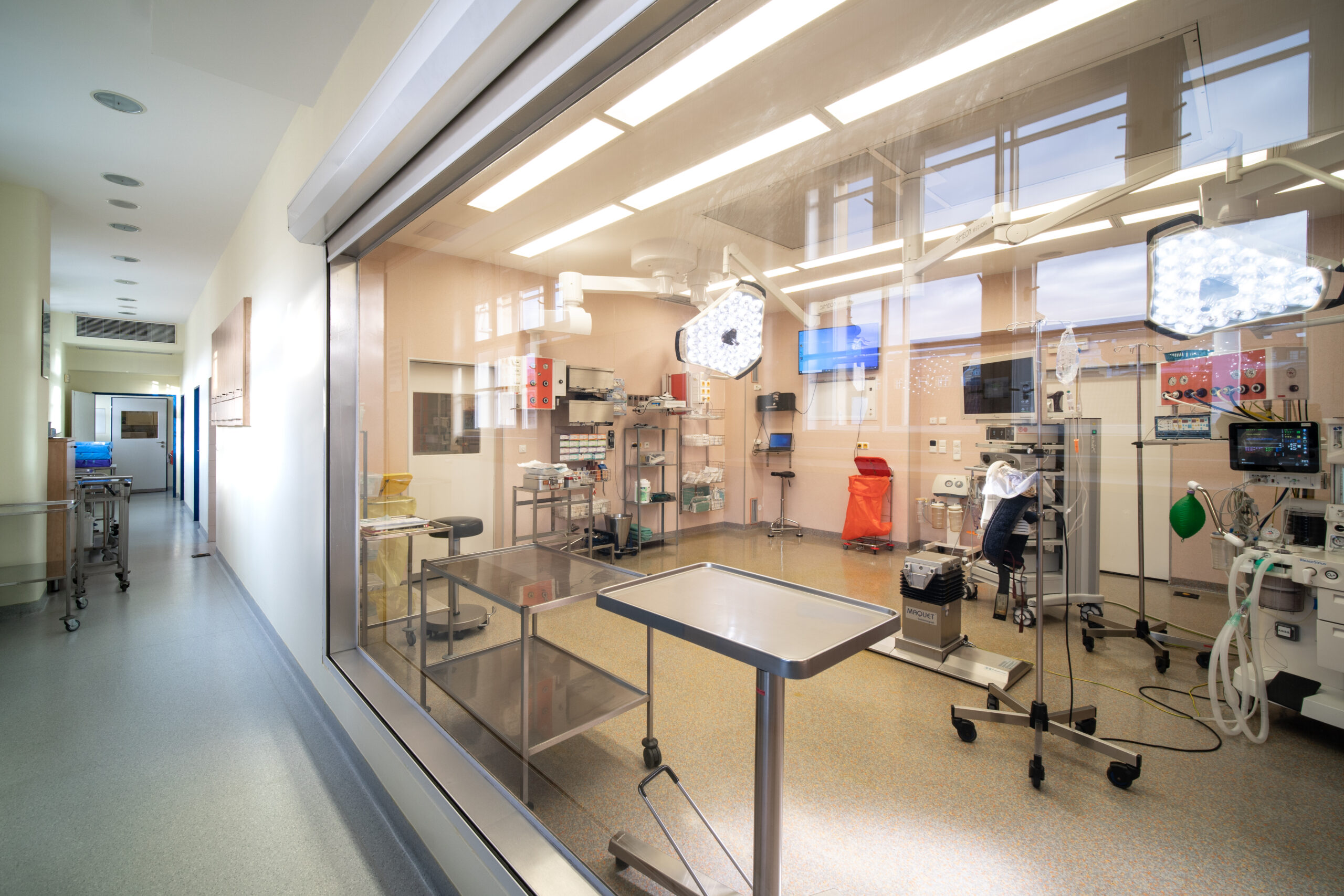
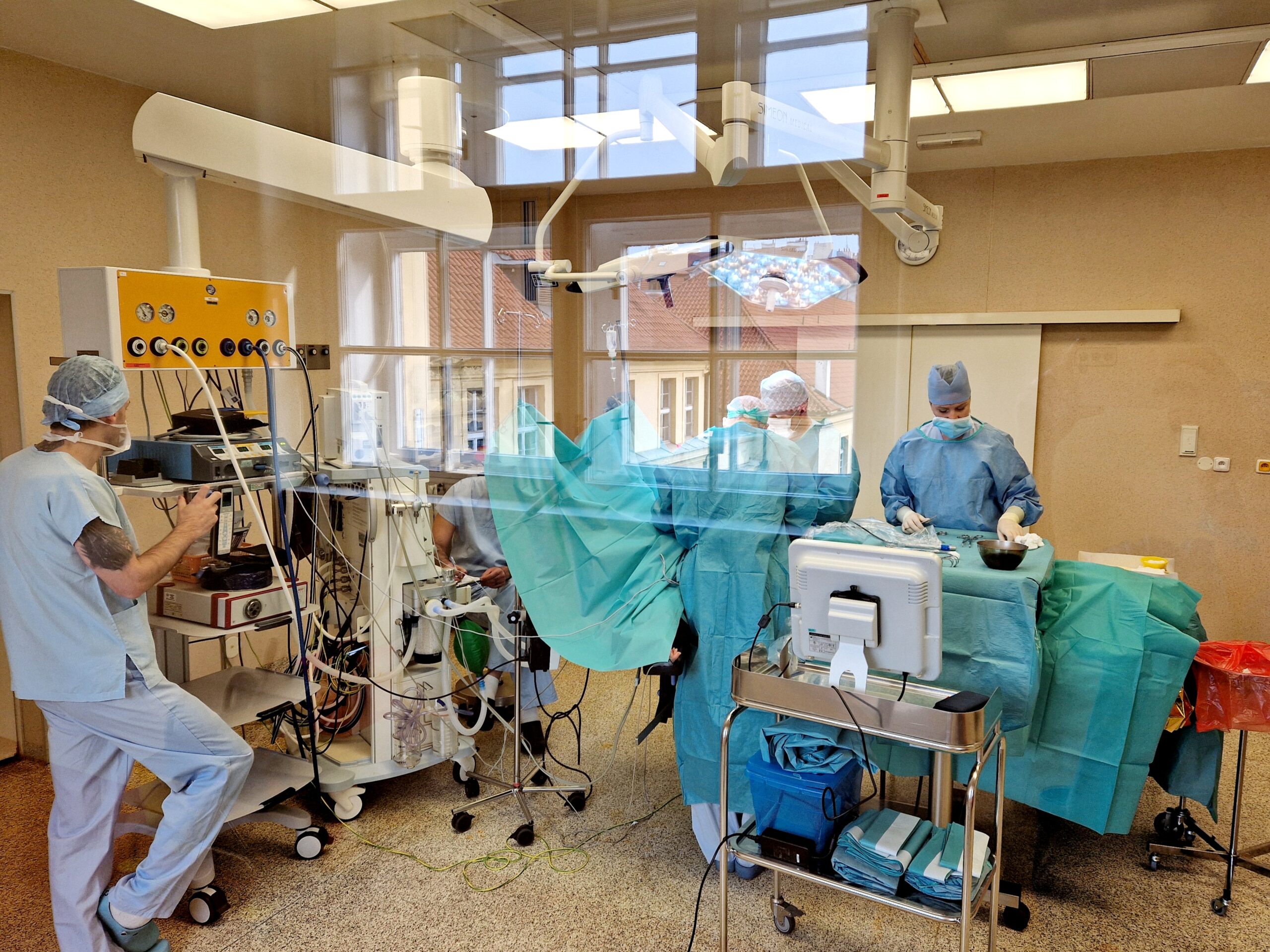
We perform surgeries under general anesthesia in state-of-the-art operating rooms.
Postoperative supportive care
Our priority is not only to provide top-quality medical care and achieve excellent results in surgical procedures, but also to ensure comprehensive post-operative support for our clients. We want every woman who walks through our doors to leave feeling completely satisfied and confident. That is why we will also assist you with your recovery and make your return to everyday life as smooth as possible.
Rehabilitation
Before you are discharged from the hospital, our experienced physical therapists will take care of you and will be happy to explain and demonstrate appropriate rehabilitation exercises to support your quick and effective recovery.
Breast prostheses
For every woman who has undergone a mastectomy, we offer support in the form of medical devices known as prostheses. These prostheses can be easily inserted into a standard or specially designed bra, ensuring that it is not immediately apparent that a breast has been removed. When leaving our center, we therefore provide every woman not only with a voucher for an prosthesis, but also with a special bra that will support not only your physical but also your emotional comfort.
Lymphatic massages
Some patients may experience lymphedema after breast surgery, with the risk of developing swelling ranging from 5% to 35%. Lymphoedema following breast surgery most commonly occurs in the hand and arm on the side where the surgery was performed. The likelihood of swelling also depends on the extent of axillary lymph node removal and whether postoperative radiation therapy was administered.
If there is a risk of swelling or if swelling occurs, we prescribe insurance-covered lymphatic massages for our patients, which help reduce swelling or prevent it entirely. For some patients, lymphatic taping may be a suitable option; this method uses special tape to promote lymphatic drainage.
Breast cancer in men
Although breast cancer is most commonly associated with women, this disease can also affect men. Even though the incidence of breast cancer in men is significantly lower—about 100 times less common than in women—men are not entirely immune to this disease. The risk increases particularly in men aged 60 to 70 and may be associated with certain genetic factors, such as Klinefelter syndrome or a mutation in the BRCA2 gene.
Although this website is geared toward women, who make up the vast majority of our patients, our center is, of course, prepared to provide comprehensive, specialized care to men facing a breast cancer diagnosis as well. You can be assured that you will find an open and supportive environment here, where every patient—regardless of gender—receives the care, understanding, and highly specialized assistance necessary for successful treatment and recovery.
Don't hesitate to make an appointment with us
When it comes to cancer, time is of the essence. Don’t hesitate—schedule a consultation at our center today
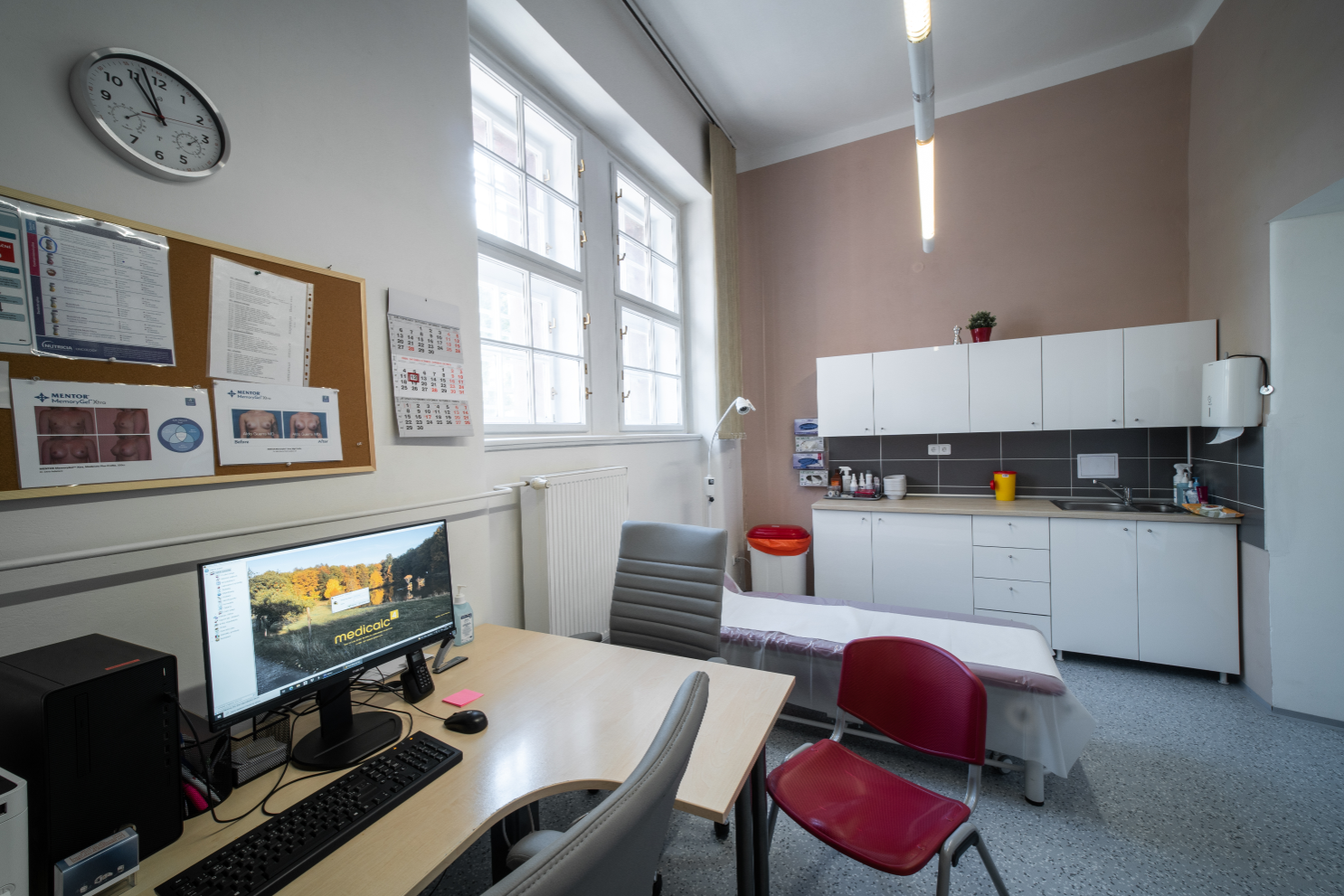
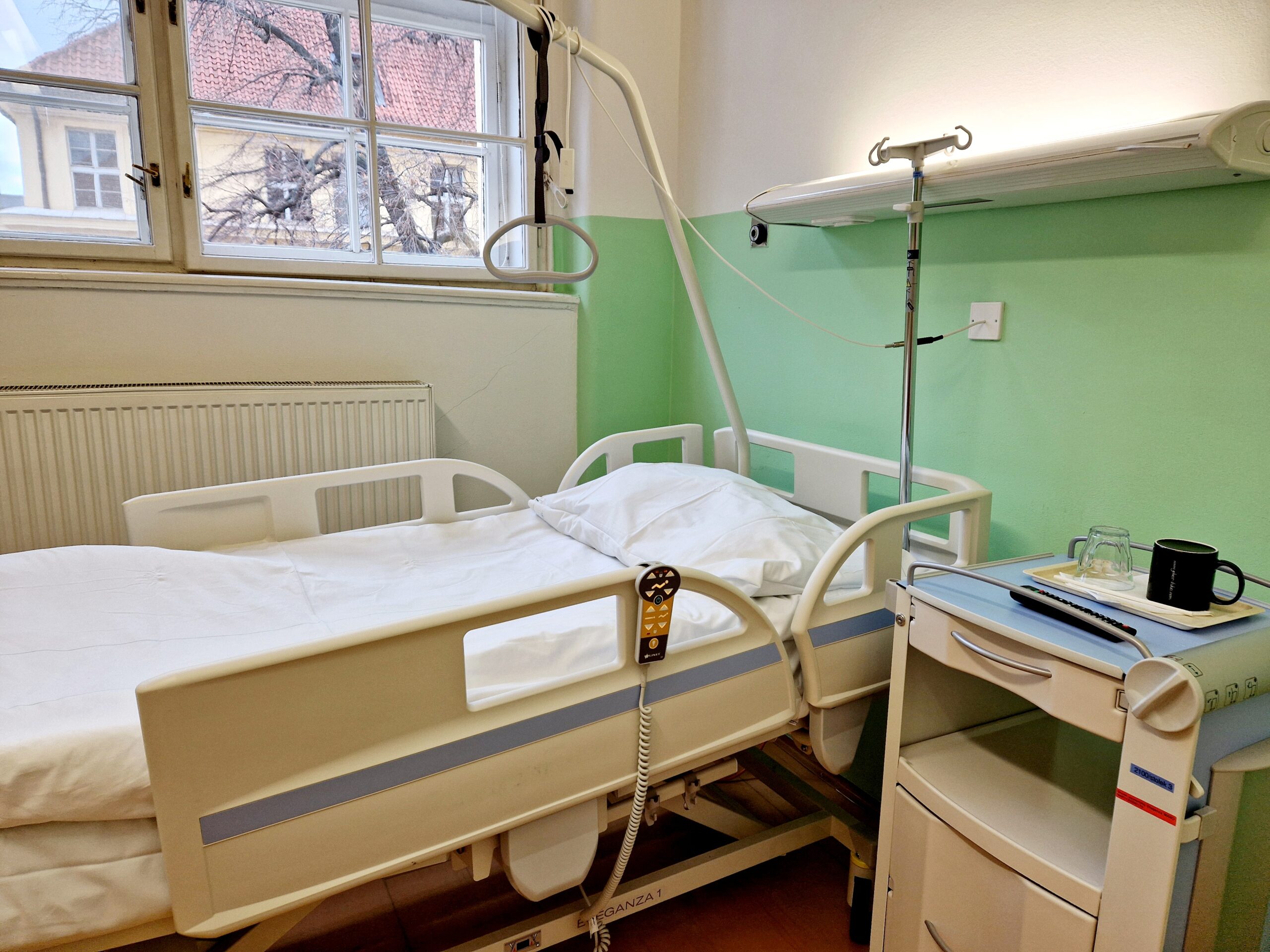
Photo Gallery




Monday
Tuesday
12:30–3:30 p.m.
Jan Černý, M.D.