In the field of metabolic and bariatric surgery, we treat obesity and its associated conditions (particularly diabetes) using surgical methods.
In 2012, obesity was recognized as a serious chronic disease that must be treated to prevent further damage to health. Treatment can be conservative or surgical (through surgical intervention). It has been demonstrated that, following an appropriately selected surgical procedure, there is not only a significant reduction in weight but also a very significant improvement or even cure of associated conditions (comorbidities), which we group under the termmetabolic syndrome. The most significant of these conditions are
- type 2 diabetes (type 2 diabetes mellitus),
- high blood pressure (hypertension),
- fatty liver or chronic liver inflammation resulting from it (fatty liver disease, steatohepatitis),
-
elevated blood lipid levels or an abnormal lipid profile (hyperlipidemia, dyslipidemia),
sleep-related breathing pauses (sleep apnea syndrome), - in women, hormonal changes that contribute to the formation of multiple ovarian cysts (polycystic ovary syndrome) and prevent pregnancy,
- This group also includes gout, which is caused by high levels of uric acid.
That is why, in surgical treatment, we place particular emphasis on the metabolic aspect. So-called metabolic and bariatric surgery is particularly effective in treating type 2 diabetes. Nearly all patients who are insulin-dependent are discharged on medication alone.
A well-performed surgical procedure and the appropriate choice of procedure for a specific patient are, of course, prerequisites for success, but they do not guarantee it.The patient’s cooperationis the most important and essential prerequisite. The patient acknowledges that:
- the success of the entire treatment depends on it,
- will cooperate with the attending physicians and follow their instructions,
- will work on making lifestyle changes, including:
- eating habits
- dietary composition
- physical activities
- self-acceptance
Patients who are suitable candidates for bariatric surgery
- obese with a BMI > 40 kg/m²
- obese with a BMI < 40 kg/m² +
- obese individuals with comorbidities, particularly those with certain manifestations of metabolic syndrome (diabetes)
- obese individuals with psychological or psychiatric conditions
- obese and in need of weight loss prior to orthopedic surgery
- obese and in need of weight loss prior to cardiac surgery
- obese individuals who need to lose weight for oncological reasons (particularly breast cancer)
- obese patients who need to lose weight following the failure of their initial surgery, particularly gastric banding, in which case we first remove the band and subsequently proceed with bypass surgery in most cases
- Treatment of gastroesophageal reflux (regurgitation of stomach acid), including hiatal hernias, during or after bariatric surgery
Some operations (e.g., operations for benign tumors, hernias, hemorrhoids, gallbladder, appendix) can be performed under a one-day surgery regimen (admission on the morning of the operation and discharge on the evening of the same day, or by the morning of the following day at the latest).
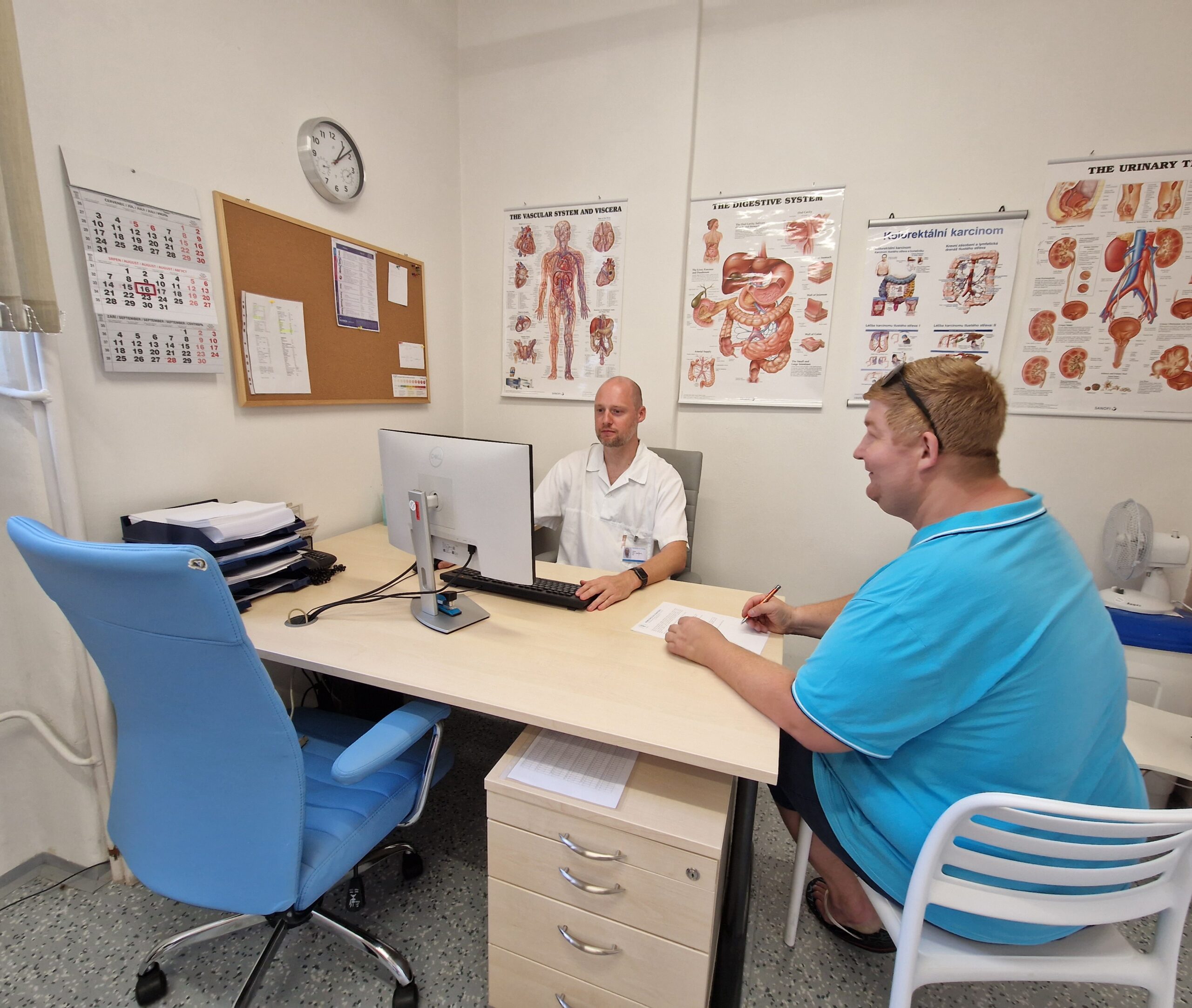
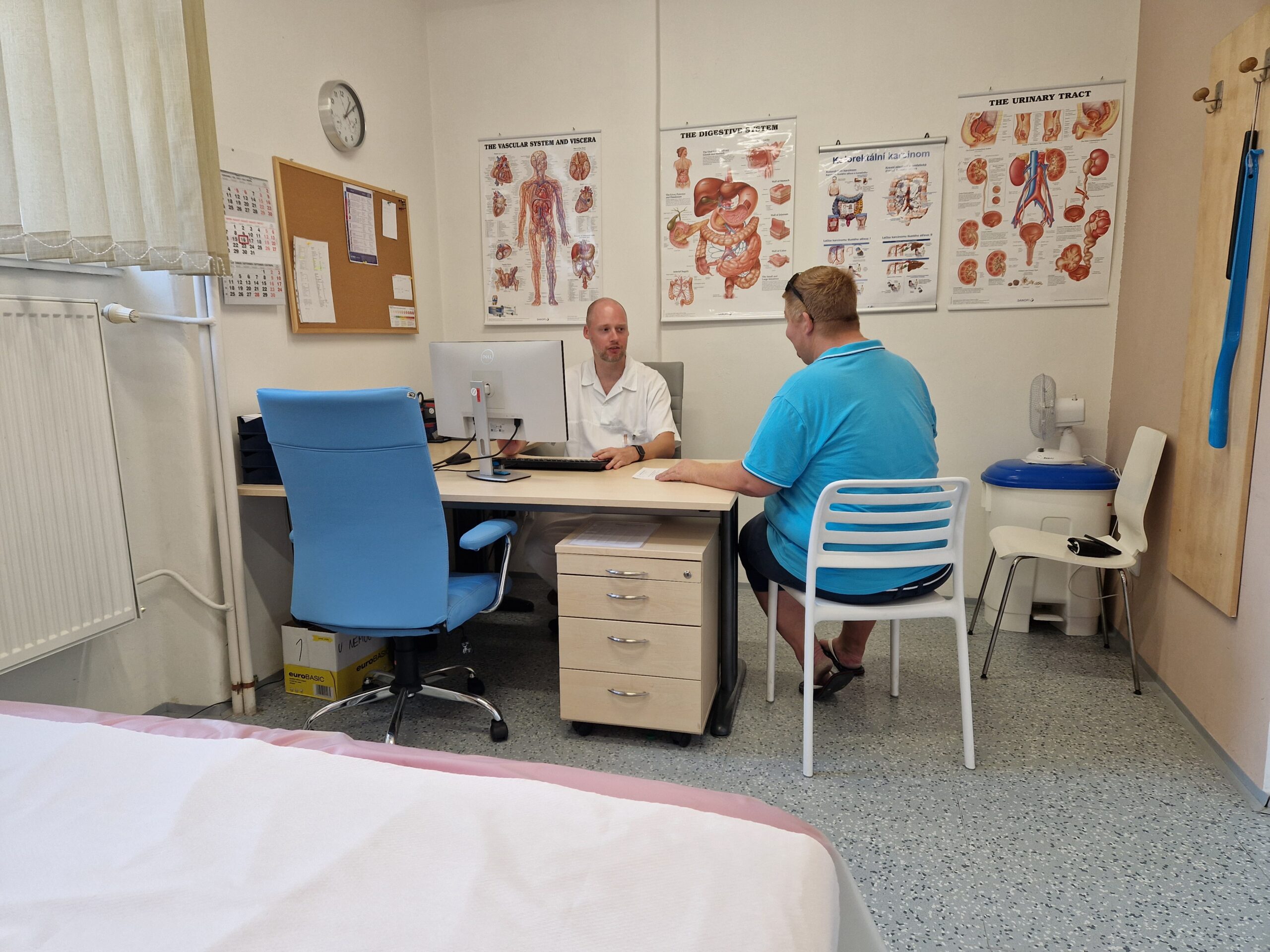
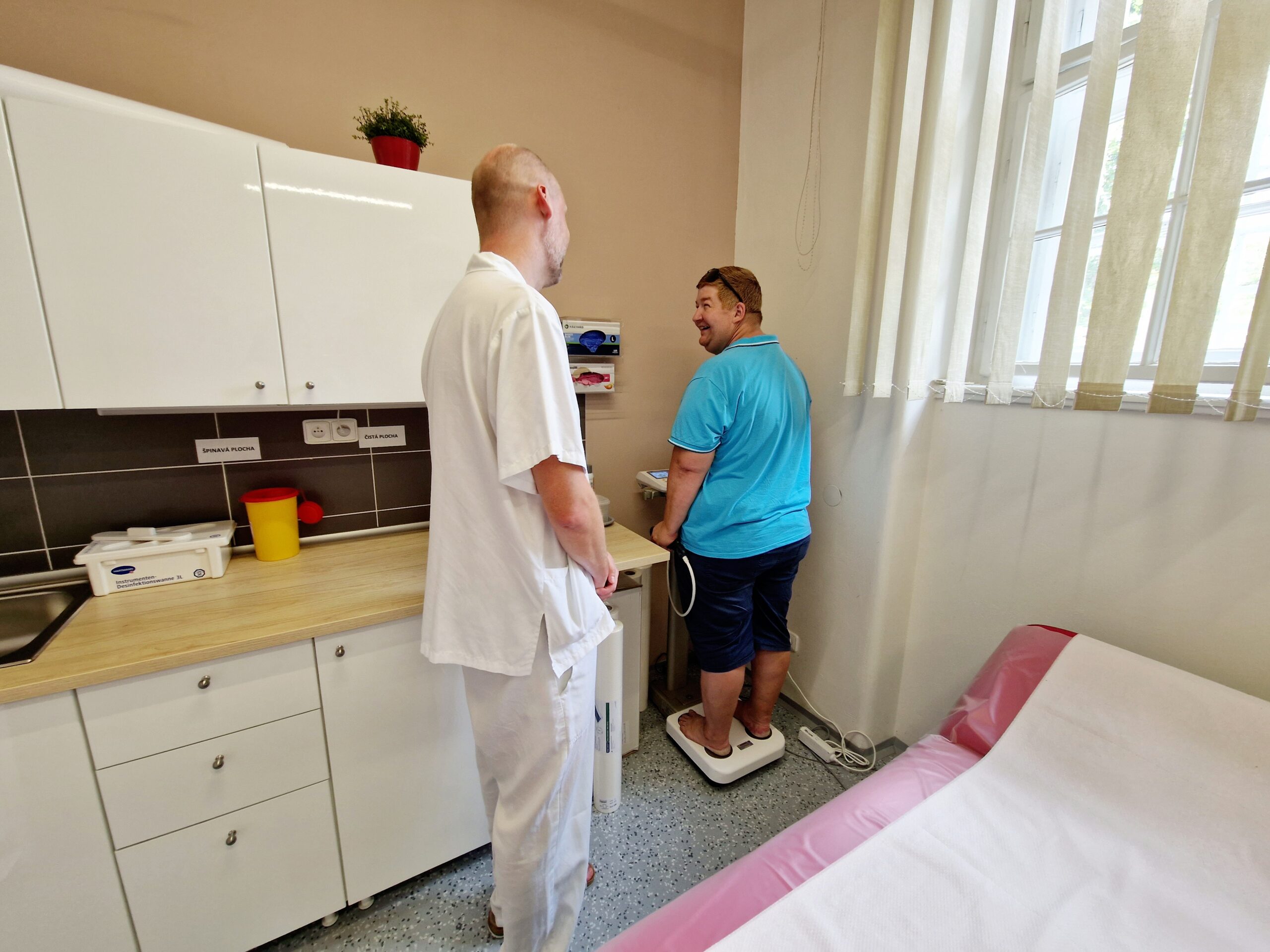
Schedule a consultation
If obesity is making your life difficult, causing health problems, and you’re determined to address it, don’t hesitate to consult with our doctors about your treatment options.
The consultation is covered by health insurance, and a referral from a primary care physician or other treating physician is not required.
Toschedule a consultation, please fill outthe Form for Those Interested in Bariatric Surgerybelowandsend it tobariatrie@nnfp.cz

Are you unsure whether to undergo bariatric surgery? Read the interview with our experts, which you can findhere.
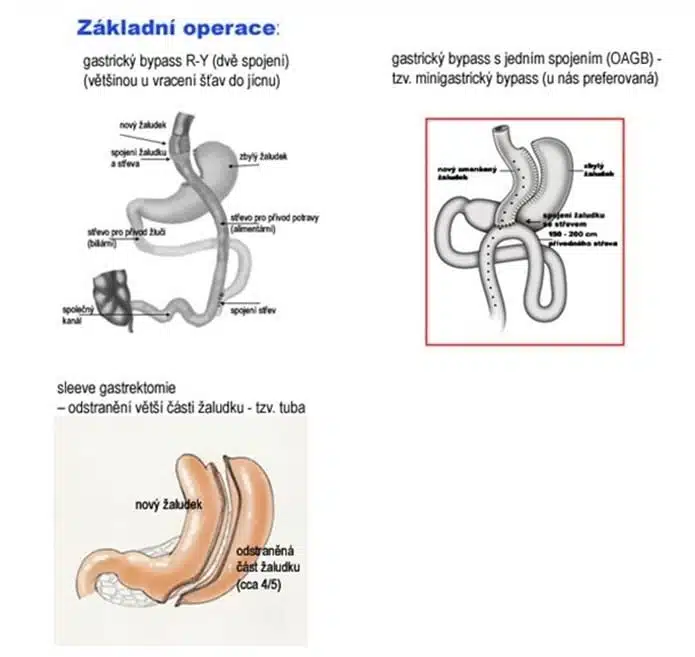
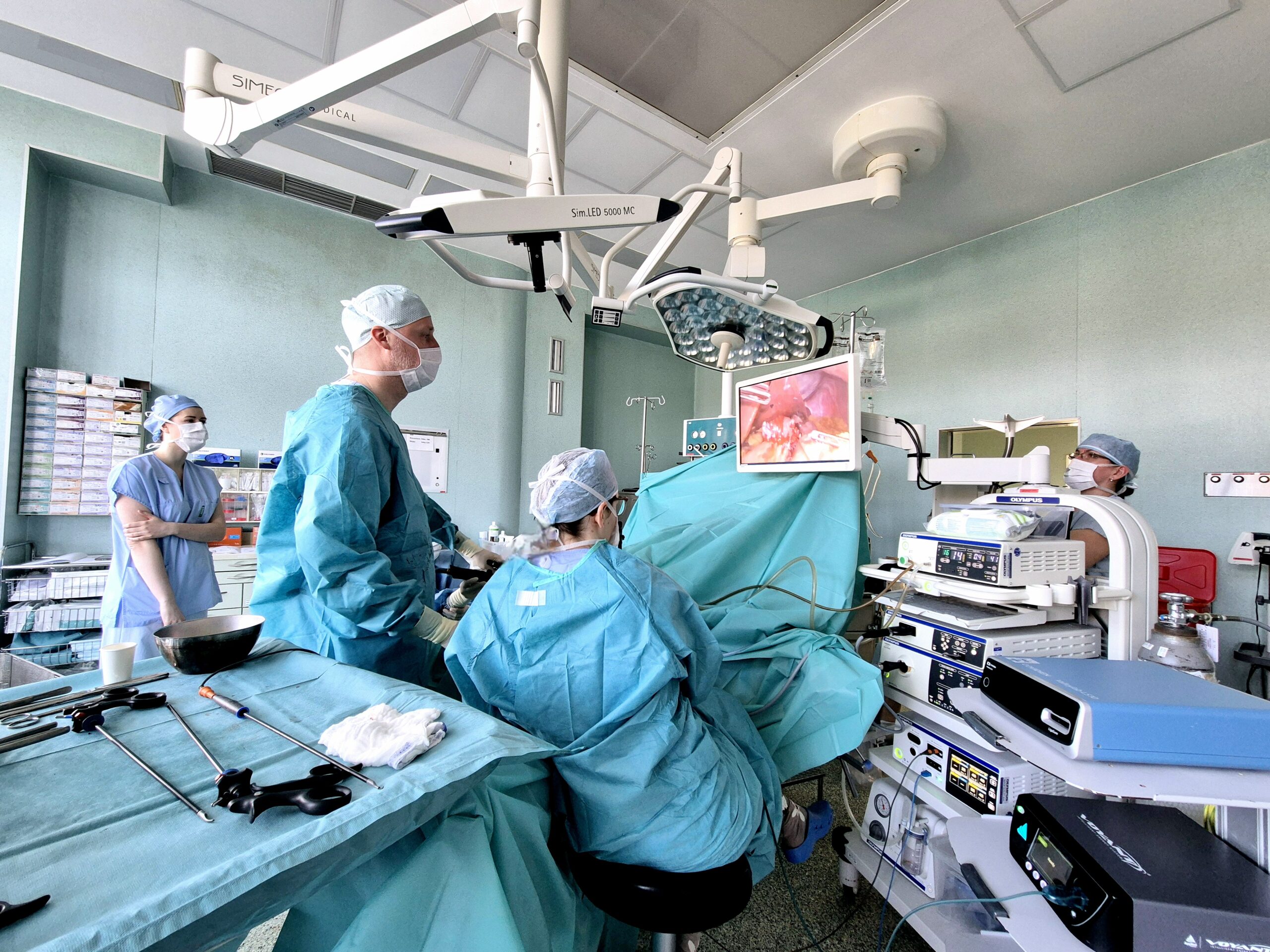
Basic types of operations
- One-anastomotic gastric bypass (OAGB) – also known as a mini-gastric bypass
- R-Y gastric bypass (two anastomoses)
- sleeve gastrectomy – removal of most of the stomach – also known as a "tube"
Obesity and Bariatric Clinic
Surgery
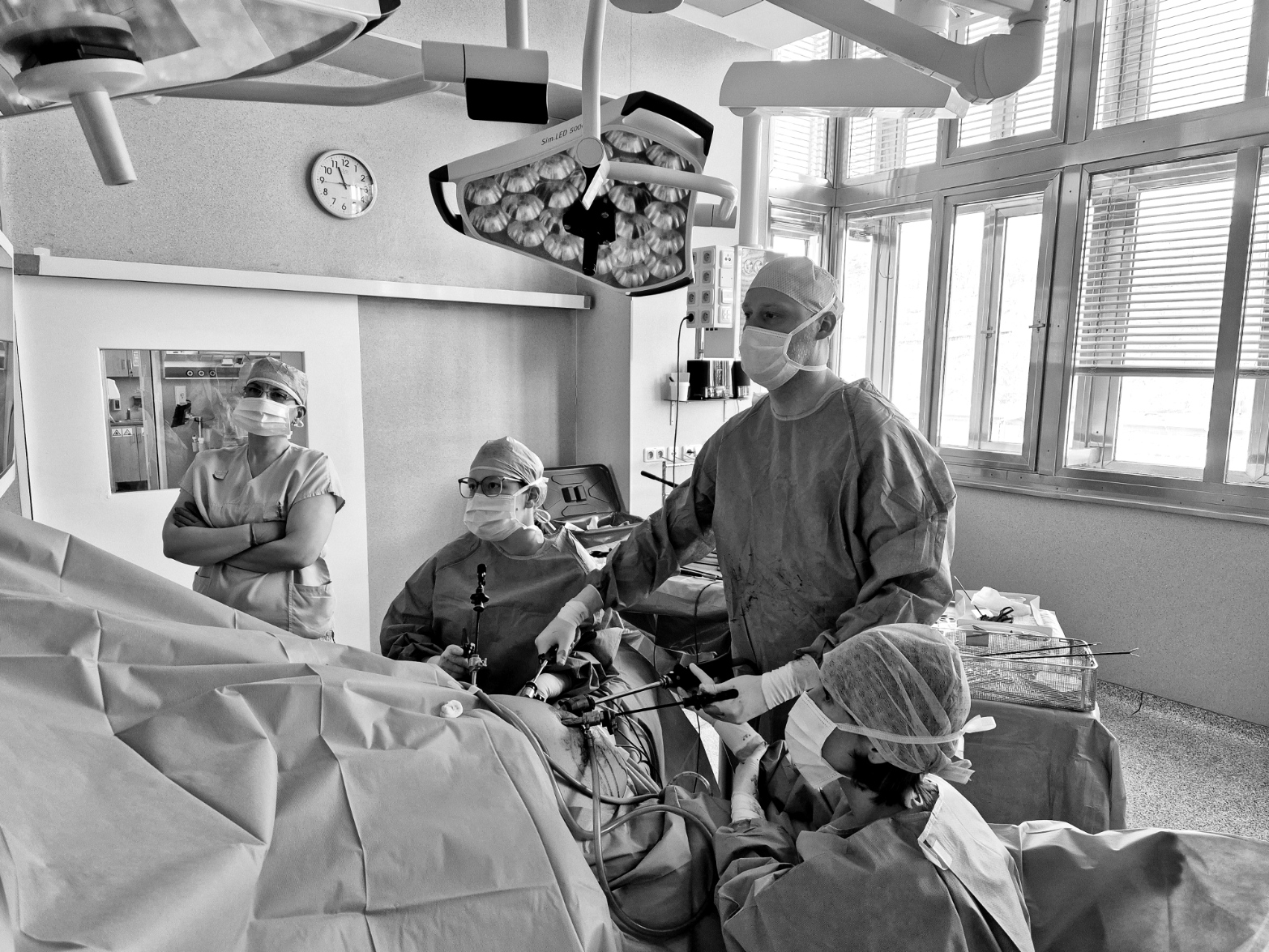
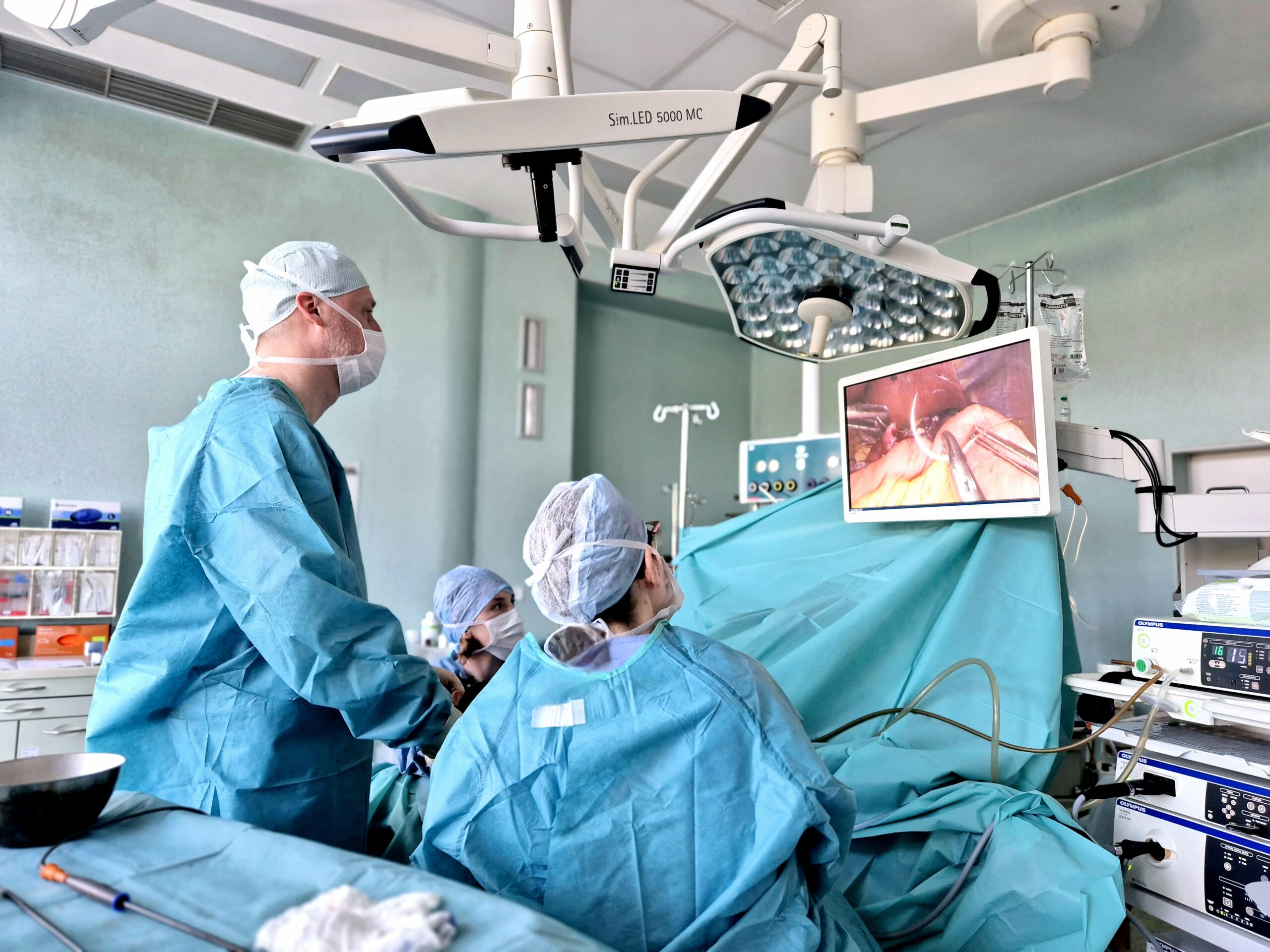
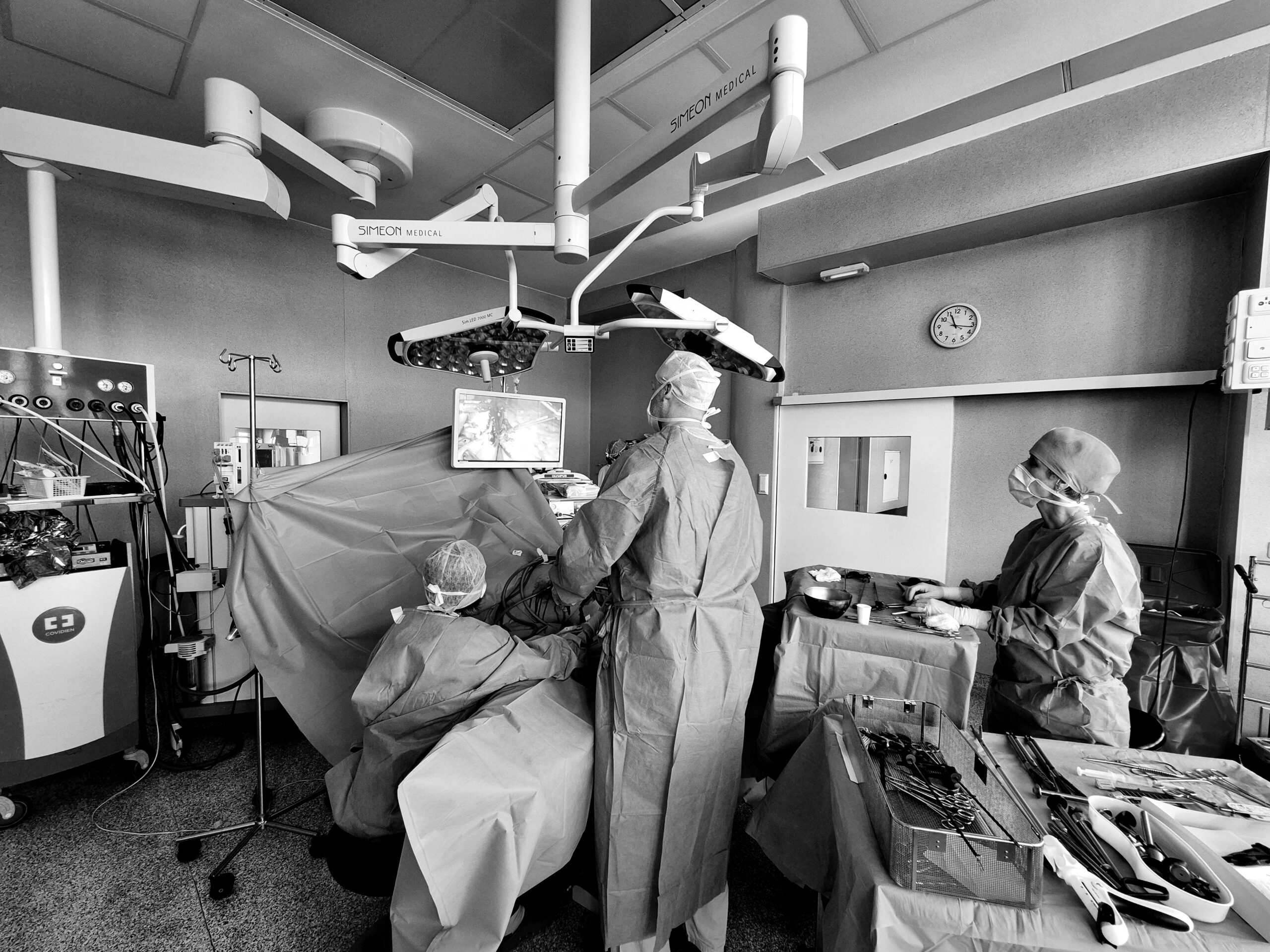
Bariatric Surgery
Obesity and Bariatric Clinic

Bariatric Surgery Clinic
Thursday
Friday
Toschedule an appointment at the bariatric clinic, please sendthecompletedBariatric Surgery Application Form tobariatrie@nnfp.cz