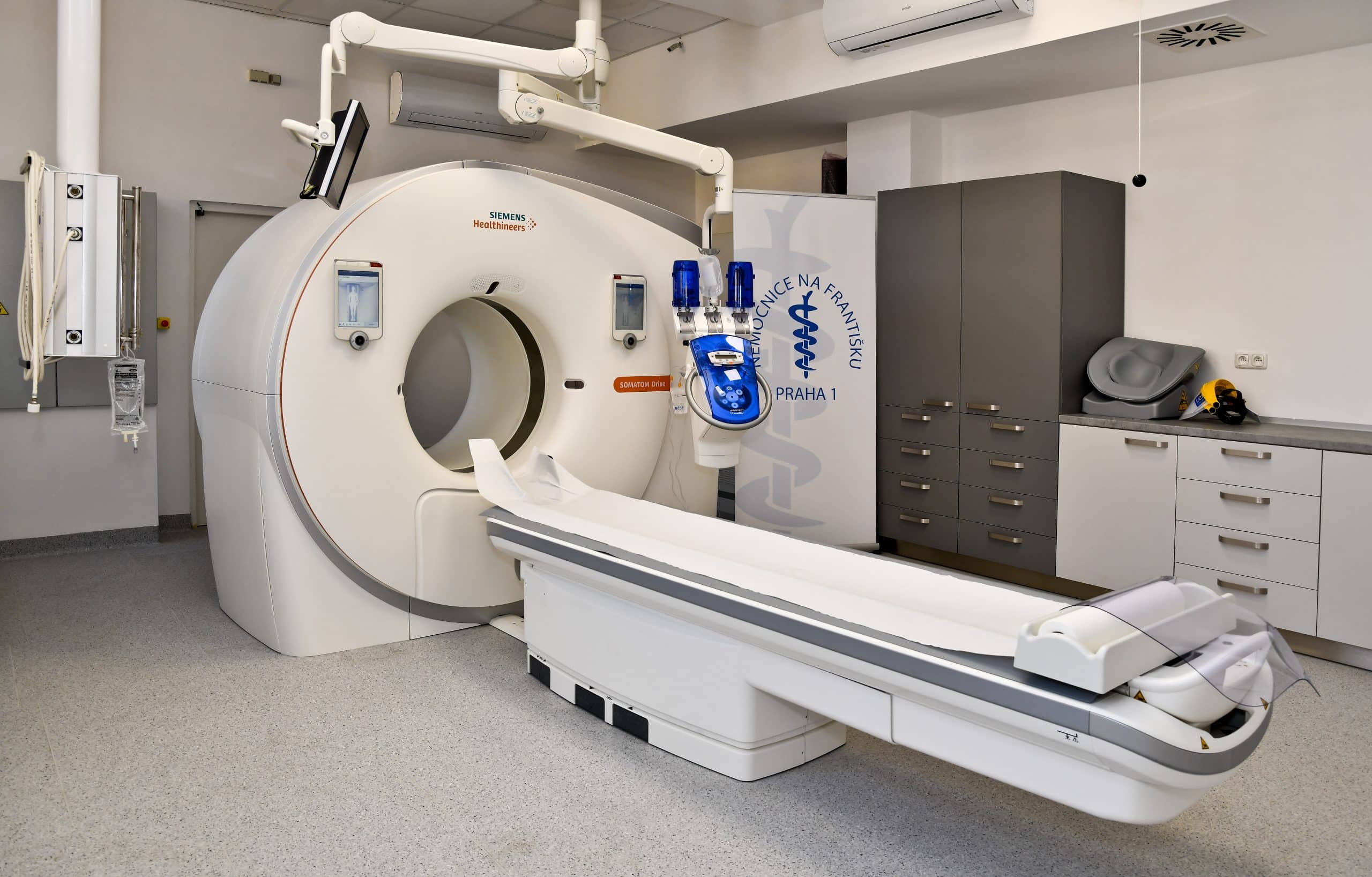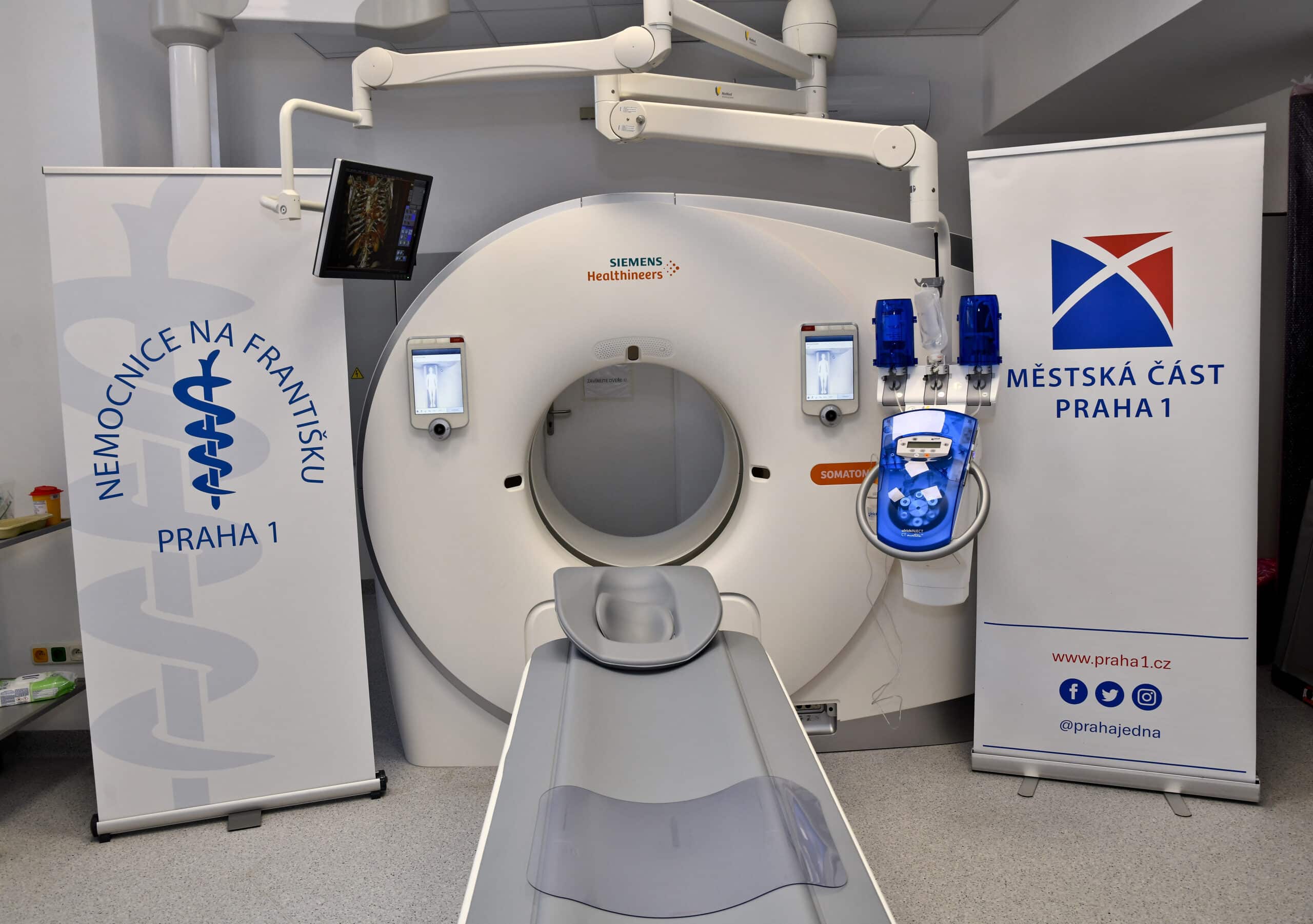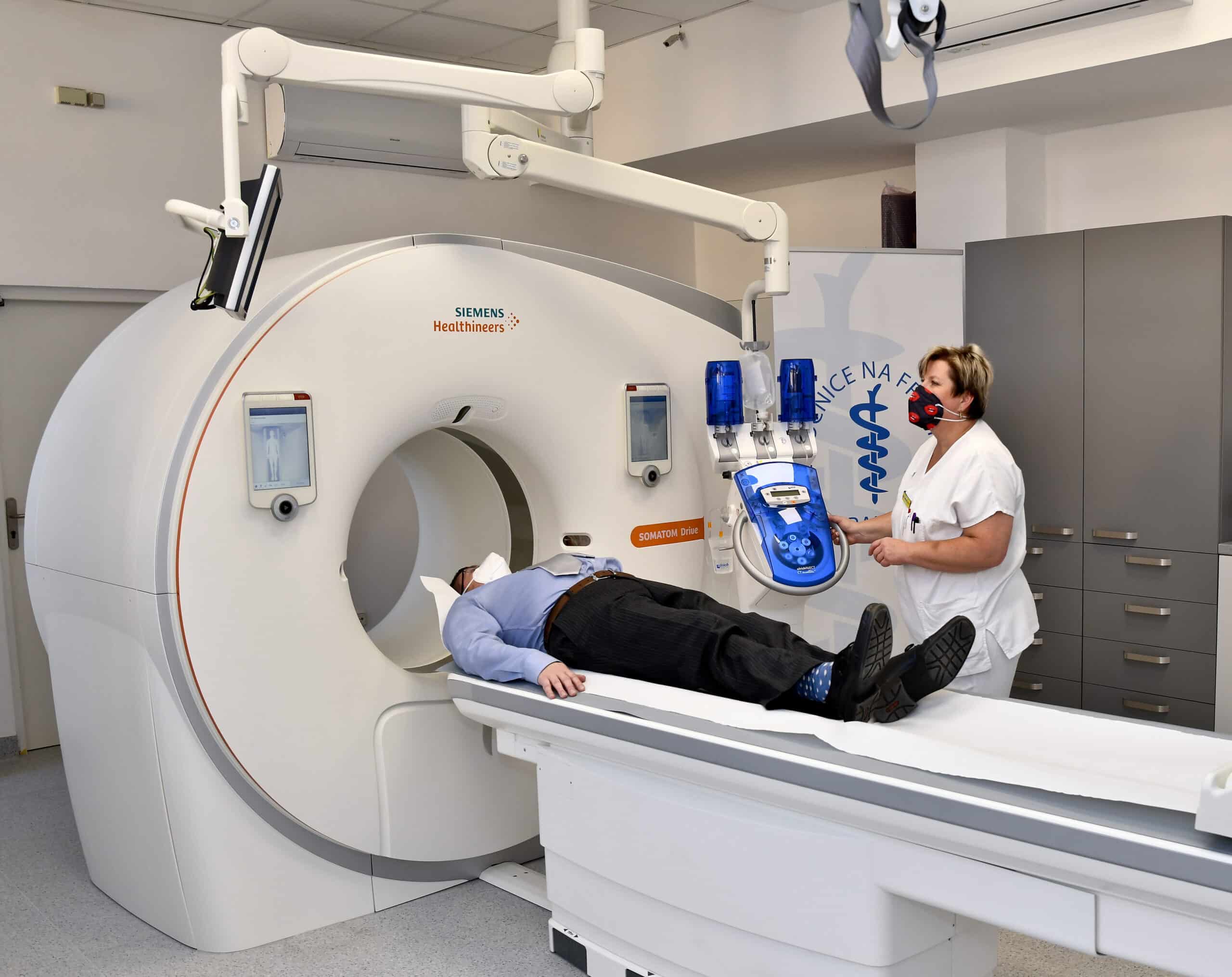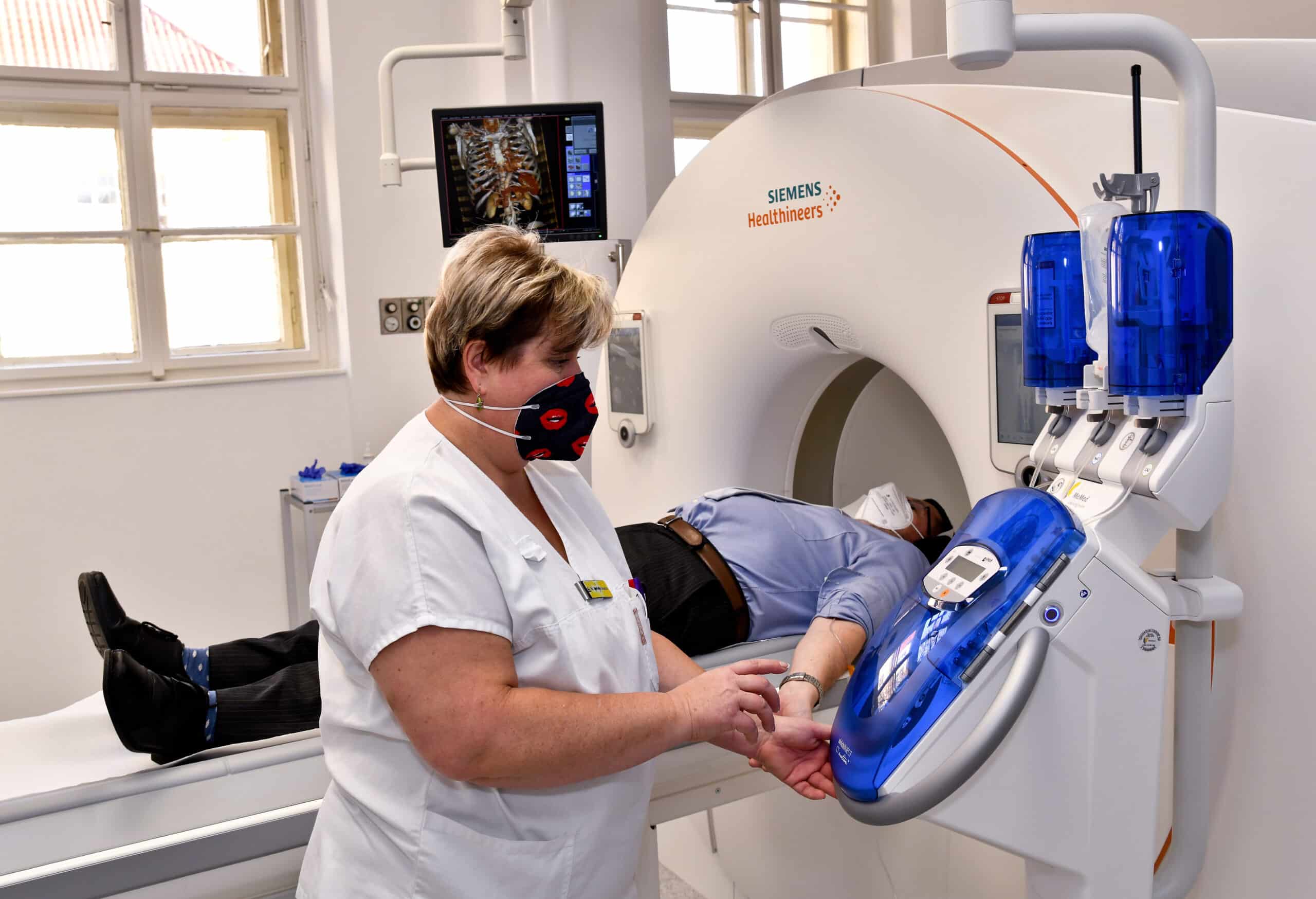
A CT scan is an imaging technique that uses X-rays to produce a series of cross-sectional images of the body. A contrast agent is often administered to help distinguish pathological tissue more clearly.
Range of examinations
We perform native and contrast-enhanced CT scans ofthe brain, lungs, pelvis, abdomen, and musculoskeletal system
Accurate diagnosis using a state-of-the-art CT scanner
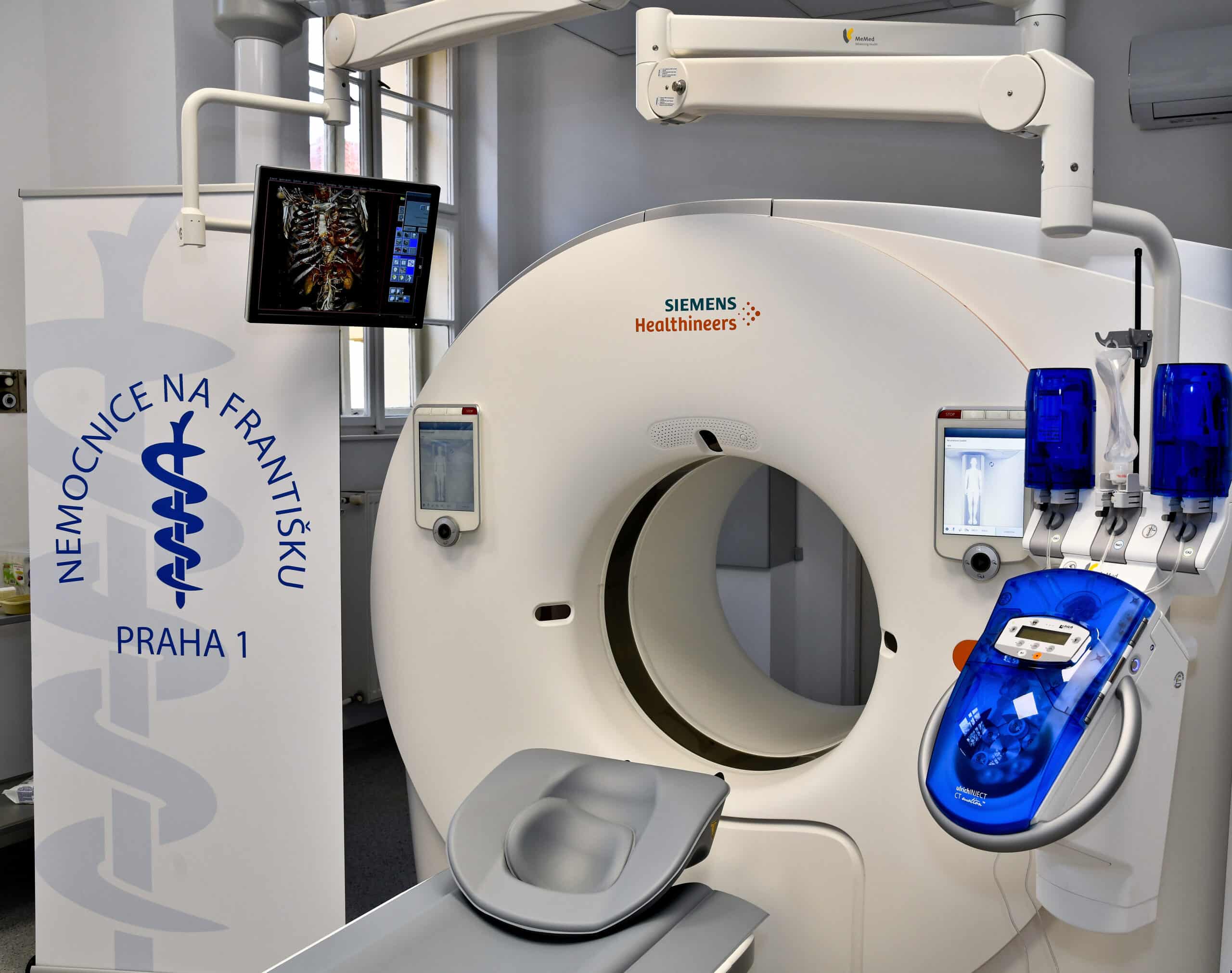
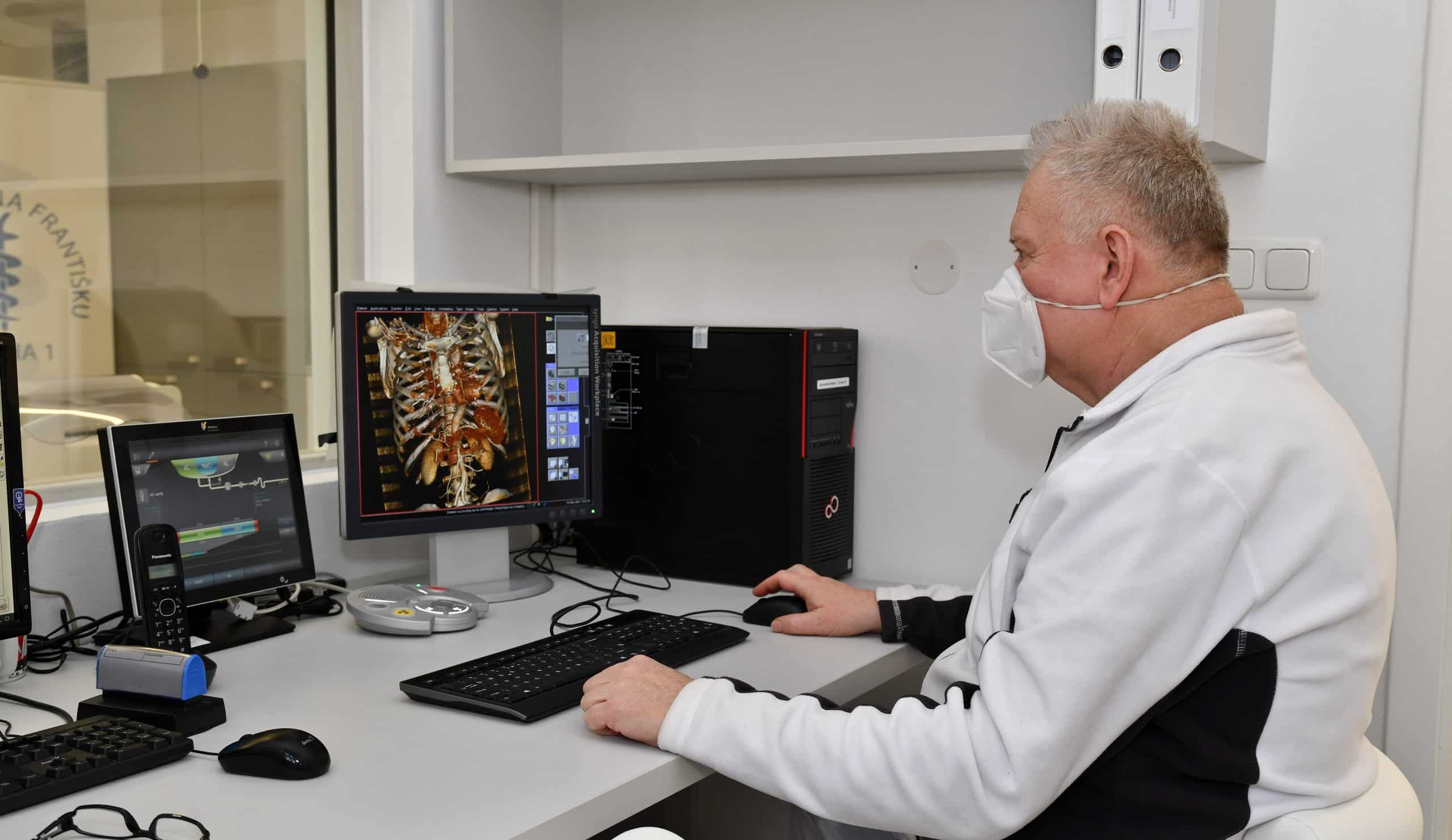
We perform all CT scans using a state-of-the-art Siemens SOMATOM Drive scanner equipped with two X-ray sources. Thanks to its high resolution and excellent 3D reconstructions, the scanner enables highly accurate diagnostics.
It uses lower doses of radiation to visualize internal organs and tissues, and, moreover, there is no need to subject the patient to large amounts of contrast agent.
The examination is quick, so the patient does not need to hold their breath during the procedure. The device also allows for special tests that provide entirely new diagnostic information and help the doctor select a targeted treatment for a specific patient.
Waiting time
The wait time for a CT scan at our hospital is short—approximately 14 days. You mustschedule an appointment in advance. In urgent cases, at the request of the attending physician, we perform the scan immediately.
Preparing for the exam
The patient must bring a properly completed request form, which must include:
- patient identification,
- a description and justification of the requested examination,
- For contrast-enhanced examinations, please also provide information about any allergies and current renal function values (creatinine).
If the examination is performedwithout contrast, i.e.,without the administration of a contrast agent, no preparation is usually necessary, and there are no restrictions after the examination. This applies in particular to CT scans of the cervical (in cases of suspected injury), thoracic, and lumbar spine, as well as the paranasal sinuses.
If the examinationrequires the administration ofa contrast agent, it is recommended that you eat a non-gas-producing diet for 4 days prior to the examination and do not restrict your fluid intake. Do not eat on the morning of the examination; drink an appropriate amount of water. In the case of a known drug or other allergy, the referring physician will administer the antiallergic medication Prednisone 40 mg (2 tablets) the evening before the examination and 20 mg (1 tablet) in the morning. Patients with diabetes must stop taking antidiabetic medications containing the active ingredient metformin (Glucophage, Siofor, Metformin-Teva, Diareg, Stadamet, Vipdomet, Jentadueta) two days in advance.
The examination procedure when using a contrast agent
The exam takes about 20 minutes. The patient lies on a movable examination table that is gradually slid into the imaging machine. An iodine-based contrast agent is injected into a vein. During the injection, you may experience a sensation of heat in your body, a dry mouth, nausea, or the urge to urinate. These symptoms will subside after a short while. The contrast agent is excreted from the body in the urine, so it is advisable to drink plenty of fluids after the exam.
For uncomplicated procedures, the examination is performed on an outpatient basis. Patients may eat and drink immediately after the procedure. However, due to the possibility of delayed reactions, patients remain in the waiting room for an additional 30 minutes under the supervision of medical staff. An IV line remains in place throughout the procedure. If any adverse effects or reactions occur during the examination, the patient is instructed on how to call the CT staff.
Informed Consent
To speed up the examination, you can read and prepare the consent forms in advance—just print them out, fill them in, and bring them with you to the appointment.
Gallery